
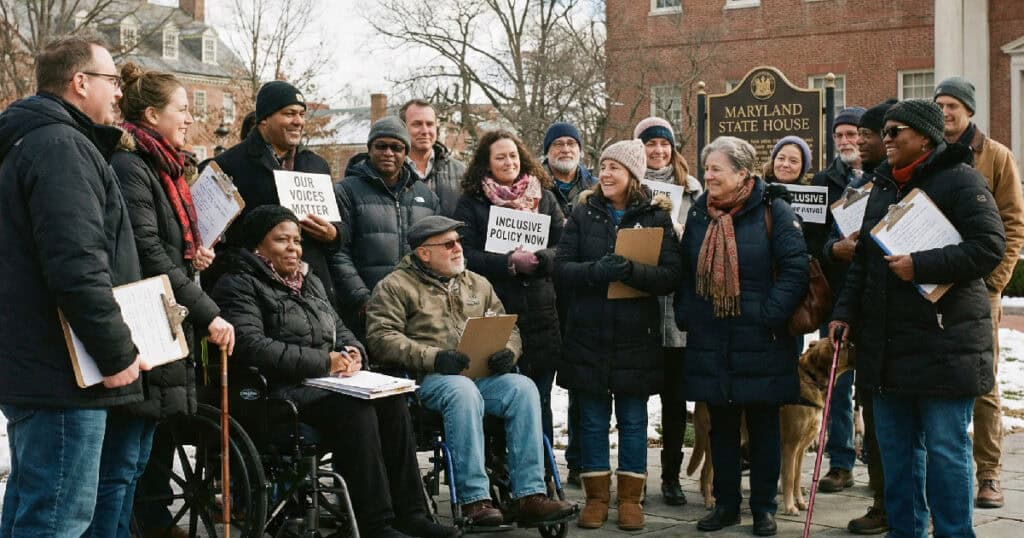
Maryland Disability Services Advocacy During the 2026 Legislative Session
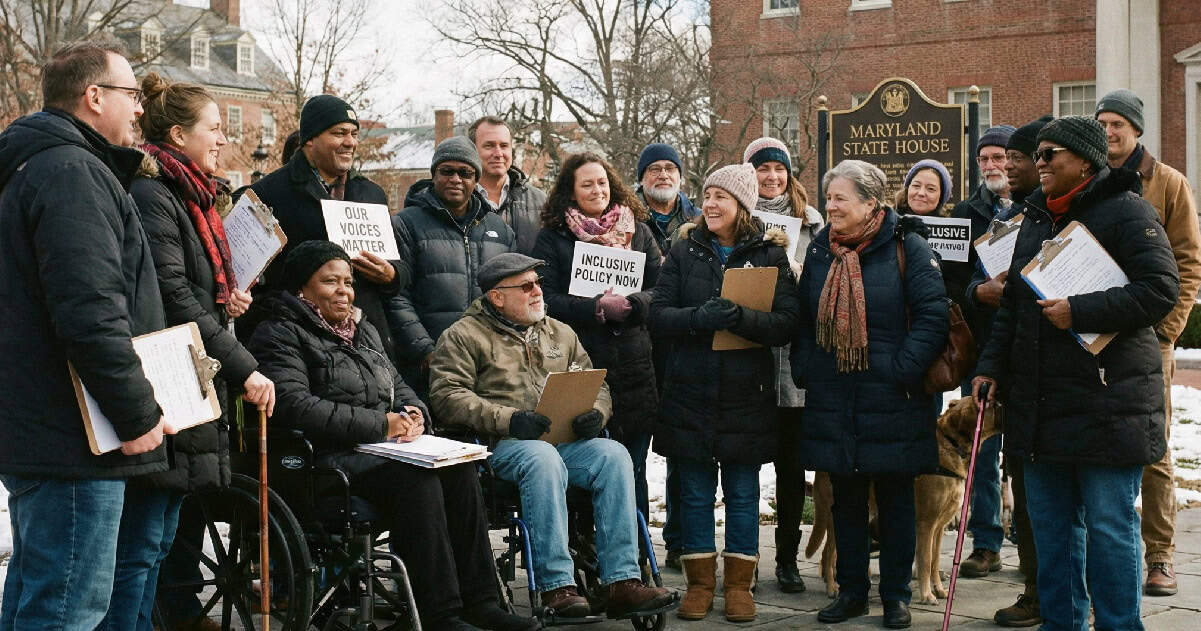
Speaking Up for Disability Services
The Maryland General Assembly has officially begun its 2026 legislative session.
Over the next 90 days (through mid-April), lawmakers will make important decisions that directly affect disability services, supports, and the lives of people with intellectual and developmental disabilities.
These decisions matter. They shape access to services, staffing support, and the resources people with disabilities rely on to live full, meaningful lives in their communities.
Why February Is Critical for Advocacy
This month brings Developmental Disabilities Day (DD Day) on February 18, an annual opportunity for people with disabilities, families, providers, and community partners to meet with legislators, share personal experiences, and advocate for services that make inclusion and independence possible.
Shortly after, on February 26 and 27, the Developmental Disabilities Administration (DDA) budget hearings will give the public an opportunity to testify directly to lawmakers about what matters most. That includes your experiences, your needs, your priorities.
These moments allow decision-makers to hear firsthand how policy and budget decisions impact everyday life.
A Second Year of Budget Pressures on DDA Services
As part of Gov. Wes Moore’s proposed FY27 budget, the state has outlined a series of “cost containment” measures that could significantly affect the DDA budget, even after last year’s cuts. Advocates are warning that these proposals could put services and staff at risk for a second year in a row.
Key concerns raised by advocates include:
- Reductions in wages for self-directed support personnel — which many families rely on — potentially making it harder to retain qualified staff.
- Stricter approval of “dedicated hours” for people with high-level support needs, which could limit access to crucial one-on-one support.
- A proposed cap on personal budget funds for individuals on DDA waivers, which could especially impact people with higher support needs unless exceptions are granted.
Advocates note that these changes are driven largely by efforts to control state spending, but they warn that cuts to DDA services don’t just balance a budget — they can undermine the stability of supports that thousands of Marylanders depend on every day.
Your Voice Matters
Whether you’re a person supported, a family member, a direct support professional, or a community partner, your lived experience makes a powerful impression on lawmakers.
You can advocate in many meaningful ways:
- Contact your state legislators to share your story
- Submit written or in-person testimony during DDA budget hearings
- Explain how disability services support independence, community life, employment, and overall quality of life
- Urge lawmakers to protect and strengthen funding for critical supports
Who Represents You
If you live in Maryland Legislative District 25, your representatives include:
- State Senator: Nick Charles
- State Delegates: Denise Roberts, Karen Toles, Kent Roberson
- Governor: Wes Moore
- Lieutenant Governor: Aruna Miller
- Attorney General: Anthony Brown
- Comptroller: Brooke Lierman
Reaching out to your legislators helps ensure decision-makers understand the real impact of disability services on people, families, and communities. Personal stories bring policy decisions to life and help ensure that funding and legislation reflect the needs of our community.
How to Get Started
To begin your advocacy:
- Visit the Maryland General Assembly website
- Use the interactive map to find your legislators
- Email or call your representatives and share your story
- Advocate for strong, sustainable support for disability services
Stay Engaged and Stay Loud
This legislative session is a critical opportunity for advocacy, and we encourage our community to stay engaged as it continues. We will continue to share additional information, resources, and specific ways to get involved during this year’s session.
Together, we can help ensure that the voices of people with disabilities and their families are heard loud and clear.